Skip Hire in Chiswick for straightforward waste removal

Skip hire in Chiswick gives households, landlords and businesses a practical way to move waste away from a property without turning the job into a series of car trips. The service suits refurbishments, garden work, clear-outs and building tasks where bulky material builds up quickly. Our approach focuses on clear load options, sensible timing and a simple order process so you can choose the right skip for the amount and type of waste you need to remove.
Because every project produces different material, the first decision is usually capacity rather than appearance. A compact skip can suit a bathroom strip-out or garage clear, while a larger container is better when mixed rubble, timber and packaging arrive together. If you already know your waste stream, pages such as skip sizes and prices and what can go in a skip can help you plan the load more accurately before you ask for a quotation.
We also work with customers who want a more managed removal method. If a skip is not the best fit, a brief discussion about access, waste type and the volume involved can point you towards a more suitable option. The goal is not just to move waste quickly, but to make sure the arrangement matches the site, the material and the way the work will be carried out.
Domestic skip hire for house, garden and garage projects
Domestic skip hire is often the simplest answer when home improvements create more waste than the household bin service can carry. It can be useful for kitchen rip-outs, replacing flooring, clearing old furniture or managing mixed waste from decorating. The right size depends on whether the waste is mainly light and bulky or dense and heavy, and that difference matters because overfilling or choosing too small a container can slow everything down.
For garden work, a skip can hold soil, roots, branches, turf and broken outdoor materials, although mixed loads need careful sorting. Our garden waste removal page covers that type of work in more detail, while projects involving attic clutter, stored household items or inherited belongings may be closer to a clearance job such as garage and loft clearance. Each option suits a slightly different kind of clean-up.
When preparing a domestic enquiry, it helps to think through two things: the space available for delivery and the kind of waste you expect to create. A short list of the main materials is usually more useful than a vague estimate, because rubble, soil, timber and general household rubbish do not all behave the same in a container. If you want to begin planning, start by matching the waste to the job and then ask for advice on the most suitable arrangement.
Builders skip hire and construction waste disposal

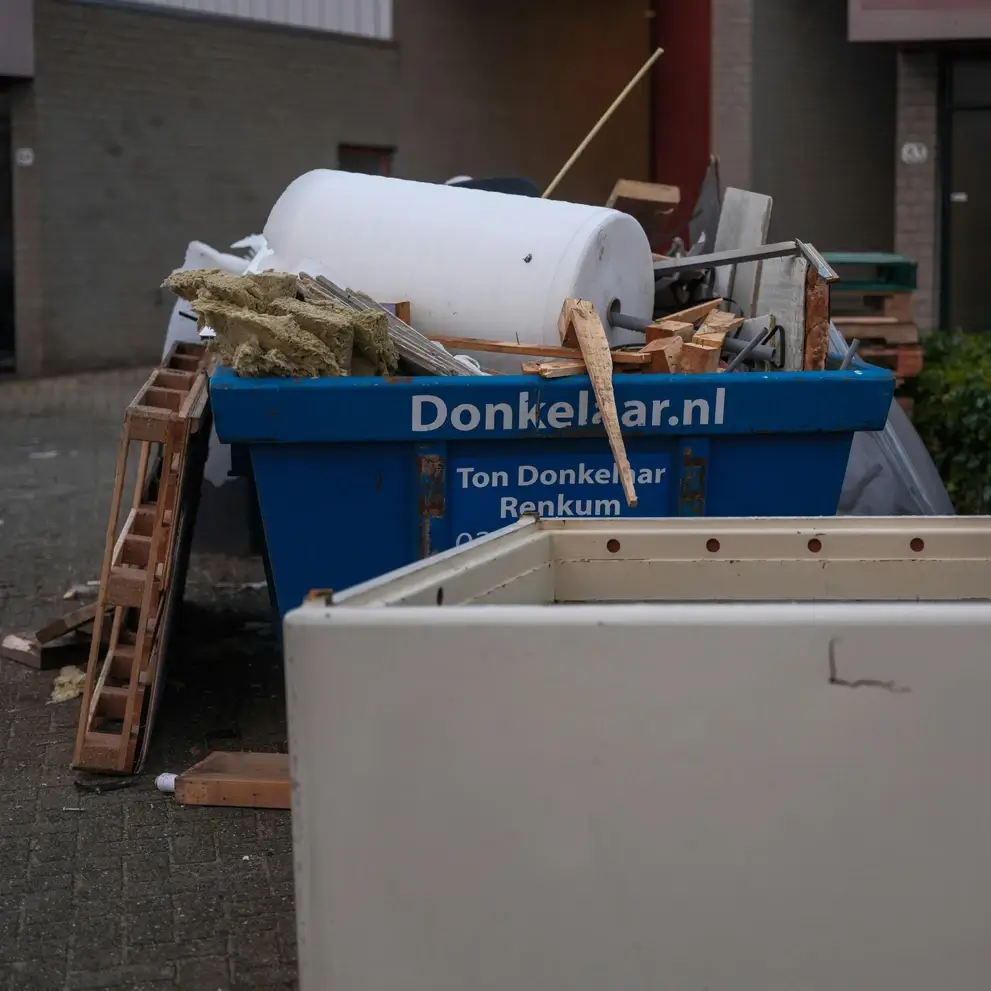
Builders skip hire is designed for the practical flow of building work, where waste arrives in stages rather than all at once. Brick, plaster, tile, timber, packaging and general site debris can be gathered in one place so trades can keep moving. For tighter or tidier sites, builders skip hire is a useful starting point, while larger mixed loads may fit better with construction waste disposal or construction waste clearance.
Different materials behave differently on site. Heavy rubble quickly uses up weight capacity, whereas plasterboard, wood and packaging tend to take up more space before they become especially heavy. That is why the most suitable option depends on the balance between dense and light waste. Where access is limited, the job may also need a more flexible collection method, and grab hire services can sometimes be a better fit than a stationary container.
For builders and property managers, the main practical question is how to keep the site usable while waste is being removed. That often means deciding whether the waste can wait for a full container, whether it needs regular clearance, or whether a different arrangement would reduce handling. Clear planning saves time because it reduces the chance of ordering an unsuitable size or leaving the site cluttered with stockpiles.
Waste types, site access and the right service choice
Choosing between skip hire, grab hire and removal services is usually a matter of material, access and how quickly waste builds up. A skip is often best when there is room to place a container and the waste can be loaded over time. Grab lorries are useful where the waste is already piled in one area, while a van-based collection can suit lighter loads or properties with tighter access. The main point is to match the method to the site rather than forcing one option to do everything.
If your project produces mixed waste, the contents matter as much as the volume. Cleaner loads of timber or inert material can be easier to plan than a pile containing paint tins, insulation, sharp metal and broken fittings. For those situations, pages such as rubbish removal and muck away services give a better picture of how different waste streams may be handled. The same applies to more specialised work like demolition waste removal, where the debris often arrives in heavier, less predictable forms.
Before requesting a quotation, it is sensible to note three things: the type of waste, the rough volume and any access restrictions. Those details help avoid choosing an arrangement that is too small, too large or awkward to place. If you only know part of the picture, that is still enough to begin a conversation. The service can then be shaped around the information you do have, rather than the other way around.
Commercial waste, office clearances and specialist disposal
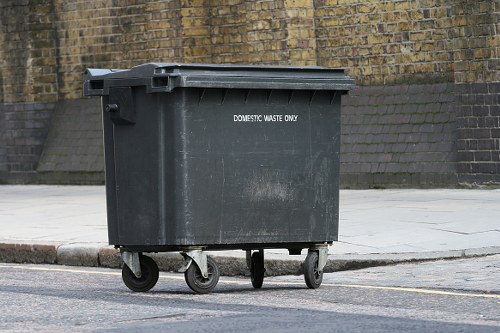
Commercial skip hire can support shops, offices, landlords and contractors when premises need a clear and organised waste solution. For business sites, the key concerns are usually access, separation of waste types and keeping disruption to a minimum while work continues. The right arrangement may be a skip, a clearance team or another collection method depending on whether the waste comes from day-to-day changeovers, fit-outs or a one-off tidy-up. Relevant pages include commercial skip hire and office clearance.
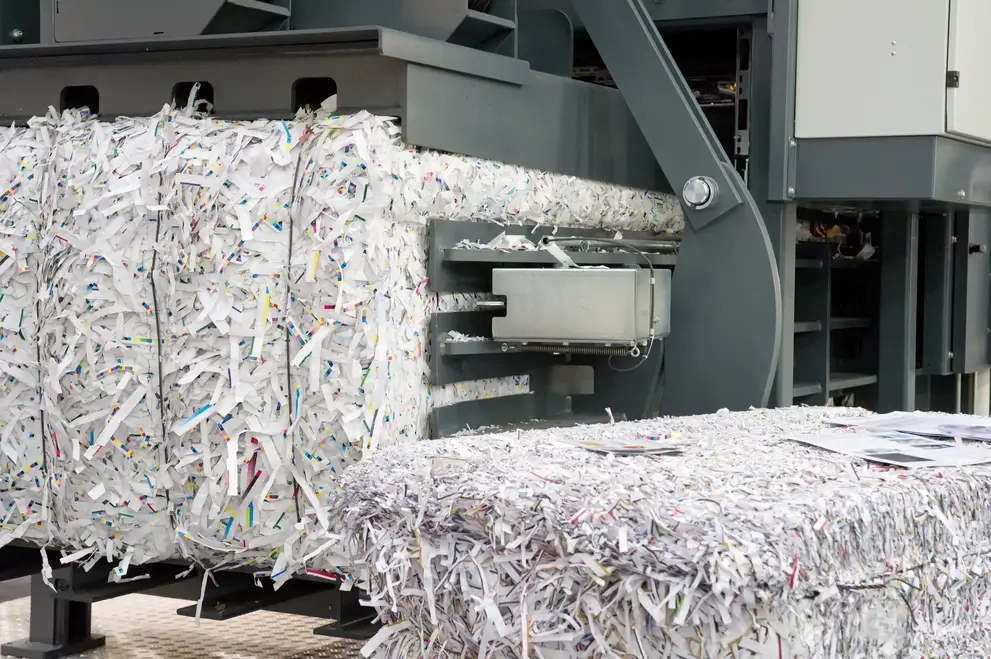
Some commercial jobs need a more specific approach. Confidential material, electrical appliances or bulky office furniture may need separate handling, and some items are not suitable for standard mixed waste. Where specialist treatment is necessary, it is better to identify it early rather than try to fit everything into a general load. Supporting pages such as confidential shredding and fridge and appliance removal show the kind of separation that may be needed for those items.
Businesses often want the work arranged around opening hours, deliveries or other site activity. That makes access information especially useful, because a container that is easy to place in one yard may be difficult in another. If you are unsure which route is best, describe the premises, the waste and the timing in one short message and ask for a recommendation. The answer can then focus on practicality, not guesswork.
Skip permits, access and practical planning
Some skip hire jobs are straightforward because there is space on private land and the container can be placed close to the work area. Others need more planning because the skip has to sit on a public road or in a position that affects access. In those cases, permit considerations become part of the arrangement, and it helps to check the details early. The pages skip permits and skip hire permits are useful references when you need to understand the difference between the container itself and the permission needed for placement.
Access is not only about legal permission. It also affects the size of skip that can be delivered, the turning room available for the vehicle and the distance between the drop point and the waste source. A narrow entrance, low tree branch or busy shared driveway can change the most sensible choice even when the waste volume is modest. In some cases, a service such as wait and load skip hire can reduce the need for on-site storage.
Simple preparation can make the process smoother. Keep the chosen area clear, separate items that definitely should not go into the load and decide whether the waste will be added in one burst or over several days. If the job is time-sensitive, say so when you ask for a quotation. That gives the team enough context to suggest a practical plan instead of just quoting a container size in isolation.
What affects pricing and how quotations are shaped
Skip hire pricing is usually influenced by the size of the container, the type of waste, the length of hire and any extra handling that may be required. Heavy or awkward waste can change the cost structure because it needs different processing from light mixed rubbish. Where access is difficult or permits are needed, that can also affect the quotation. The useful thing to remember is that the price reflects the combination of waste, logistics and disposal route, not just the container itself.
Clear quotations work best when the enquiry includes enough detail to narrow down those variables. A description of the project, the main materials involved and whether the waste is domestic or commercial usually gives a far better result than a brief request for a number. If you are comparing service routes, pricing and quotes is a sensible place to look alongside skip sizes and prices, because the amount of waste and the arrangement chosen are closely linked.
It is also worth separating the quote conversation from the rest of the project planning. Once the likely size and service type are identified, you can focus on dates, access and any special handling needs. That keeps the process efficient and helps avoid back-and-forth later. For many customers, the best quote is not the cheapest headline figure but the one that fits the job cleanly from start to finish.
Recycling, responsible handling and restricted materials
Modern skip hire is not only about collection; it also depends on what happens after waste leaves the site. Materials are commonly sorted into streams where possible, with recyclable items separated from general residual waste. That is why the contents of the skip matter before it is collected, because better segregation at source can make downstream handling more efficient. For customers who want to understand the wider process, waste recycling services and recycling and sustainability are the relevant pages to review.
Not every item belongs in a standard mixed load. Hazardous waste, certain liquids, gas cylinders and other restricted materials need separate arrangements, and it is important not to assume they can be treated like general rubble or household waste. The page hazardous waste disposal covers that category more directly, while insurance and safety is useful for understanding broader site responsibilities. If in doubt, identifying the item before loading it is the safest approach.
Sorting waste properly also helps when the load contains a mix of materials from more than one part of the job. For example, a refurbishment might generate timber, plaster, packaging and old fittings in one sequence, but each part of the work can still be separated as it comes off the job. That small amount of organisation often makes the whole process easier, especially when the container is close to capacity.
About Chiswick

Chiswick is a district in west London, within the London Borough of Hounslow, set in a broad bend of the River Thames. The river frontage has long been one of its defining features, with a mixture of historic riverside buildings, embankments and open views that make this part of the district feel distinct from the busier roads inland. Chiswick’s development was shaped by its position on routes west from central London, and traces of older settlement remain alongside later suburban growth. The area includes a number of village-like streets, larger commercial corridors and pockets of Georgian and Victorian architecture, which together create a varied urban landscape rather than a single uniform centre.
How to arrange the right skip hire in Chiswick
The easiest enquiries are the ones that give a clear picture of the job at the outset. You do not need a long specification, but it helps to mention the main waste type, whether the load will be mixed, and whether the skip has to sit on private land or the road. If the work is part of a refurbishment, it is also useful to say whether the waste will arrive all at once or gradually, because that affects the most sensible arrangement.
We can then look at the most suitable service route, whether that means a standard skip, a different collection method or something more specialised for the material involved. For customers comparing options, same day skip hire may be relevant where the timing is tight, while domestic skip hire is a natural fit for home projects and site clearance suits broader clean-up work. If the load is unusual, the answer should be based on the waste itself rather than a one-size-fits-all assumption.
To request a quotation, send the project details and ask for the most suitable option. If you already know the kind of waste, the access situation and the likely amount, that is usually enough to begin. Ask for a quote when you are ready and we will help you narrow the best choice.
Choosing the service that fits your project
Different jobs need different forms of waste support, even when the end goal is simply to clear space. A household clear-out may suit a standard skip, whereas a trade job on a tight site might work better with grab hire or a managed clearance. Larger mixed projects can also combine methods if the waste stream changes over time. Pages such as house clearance, builders waste removal and wait and load skip hire can help you compare those possibilities without overcomplicating the decision.
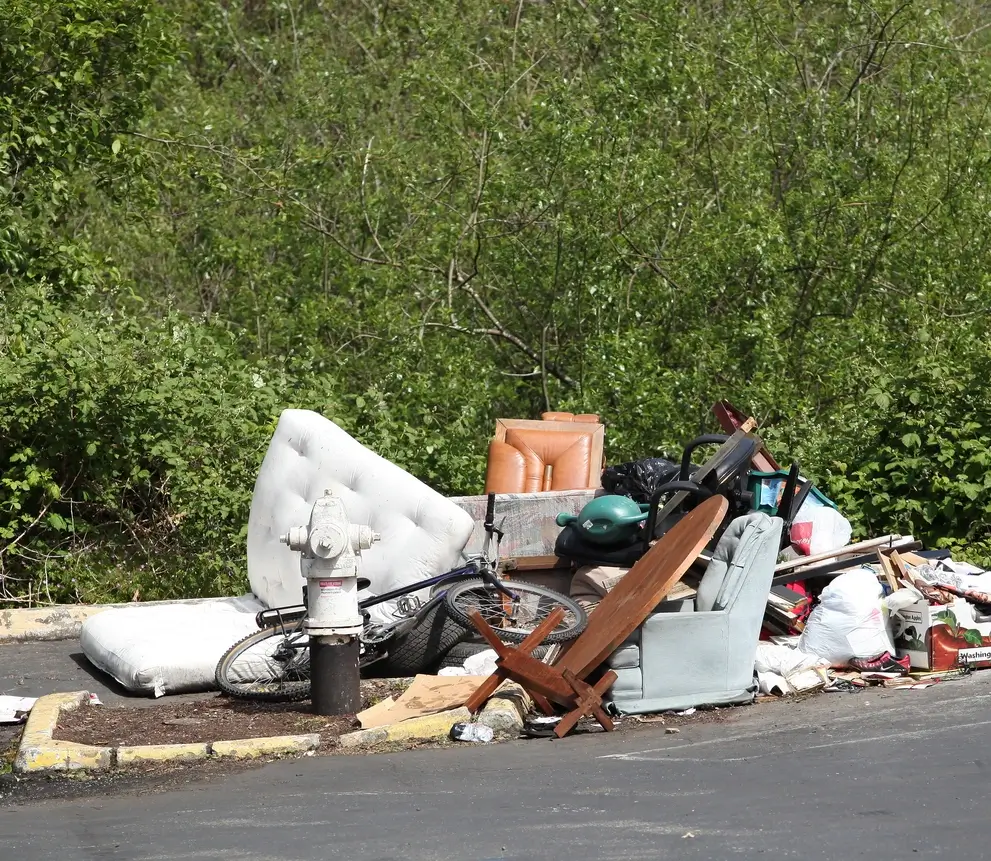
For customers who want to understand the kinds of items that are commonly separated before collection, there are useful supporting pages for specific waste streams. These include mattress and sofa disposal and office clearance, both of which show how particular bulky items may need a more tailored approach. The important part is to treat the waste as a practical problem to be solved, not simply as a box to be filled.
When the details are clear, the next step is usually simple. Choose the method that matches the waste, confirm the access and then request a quotation. If you want to move forward now, use the contact route on the site and ask for a skip hire quote for your Chiswick project.