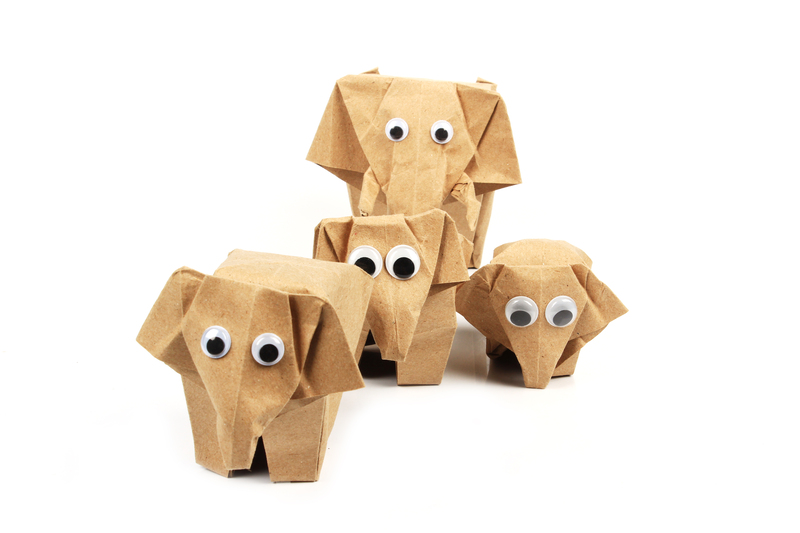
Upcycling vs Recycling: New Paths for Cardboard Packaging
Cardboard is the quiet workhorse of modern commerce. It arrives with our food boxes, protects e-commerce orders, stacks in storerooms, and fills the boot after a big move. The big question is no longer "do we recycle?" but "can we do better?" In other words, upcycling vs recycling: new paths for cardboard packaging that cut waste, cut costs, and tell a better brand story. Truth be told, the possibilities are bigger than most people expect. And a little more human too.
In this guide, we unpack every angle--from practical steps and cost maths to UK regulations (yes, including EPR), industry standards, and real-world examples. If you manage operations, sustainability, or packaging design, or you're just a curious tinkerer with a box cutter on a rainy Saturday, you're in the right place.
Table of Contents
- Why This Topic Matters
- Key Benefits
- Step-by-Step Guidance
- Expert Tips
- Common Mistakes to Avoid
- Case Study or Real-World Example
- Tools, Resources & Recommendations
- Law, Compliance or Industry Standards (UK-focused)
- Checklist
- Conclusion with CTA
- FAQ
Why This Topic Matters
Upcycling vs Recycling: New Paths for Cardboard Packaging isn't just another sustainability topic--it's a practical route to leaner operations and calmer budgets. Recycling keeps material in the loop. Upcycling moves it up the value chain by repurposing boxes into something as good as, or better than, the original use. A simple example? Turning inbound shipping cartons into sturdy pick bins or protective void fill in your warehouse, saving you from buying new materials. It's not quirky arts-and-crafts (though, that too). It's a credible operational strategy.
According to UK industry sources and WRAP guidance, paper and cardboard have some of the highest recycling rates in the country--consistently among the top performers in household and commercial streams. That's brilliant. But here's the twist: each fibre can only be recycled around five to seven times before it degrades. So even with robust recycling systems, we need to squeeze more value out of the box before it hits the baler. Upcycling does exactly that--delays disposal, reduces demand for virgin packaging, and cuts transport movements. You'll see why this matters when you add up costs and carbon.
Small micro moment: It was raining hard outside that day, a proper British drizzle. We were walking a client's warehouse in Barking, and you could almost smell the cardboard dust in the air. The ops lead held up a freshly unpacked carton and said, "We're binning hundreds of these... feels wrong, doesn't it?" It did. Two weeks later, those "waste" boxes became shelf bins. Cleaner aisles. Fewer purchases. Quieter conscience.
Key Benefits
1) Cost Savings You Can Actually See
When you upcycle cardboard on-site, you buy fewer new packaging inputs: fewer void-fill bags, fewer pick totes, fewer single-use sleeves. Recycling remains essential, but it involves handling, baling, transport, and gate fees (or lower rebates). Upcycling reduces that tonnage. Many UK SMEs report measurable savings within one quarter--sometimes within a single stock take. To be fair, your mileage will vary, but most teams are pleasantly surprised.
2) Lower Carbon, Without the Headache
Recycled cardboard generally carries lower embodied carbon than virgin fibre; that's widely supported across life-cycle studies. Upcycling adds a layer on top: avoid new product manufacturing altogether. Fewer deliveries, fewer pallets, fewer miles on the road. You won't need a PhD in carbon accounting to sense the difference, though you can quantify it using DEFRA conversion factors and simple procurement data. Clean, clear, calm. That's the goal.
3) Design Freedom for Brand and Operations
Upcycling lets you experiment--custom shelf talkers, branded display plinths, protective sleeves, sample shipping crates, even short-lived pop-up fixtures. Combine with recycling-compatible inks and water-activated tape to keep materials circular. You'll discover a durable sweet spot between rugged and refined. Ever tried clearing a room and found yourself keeping everything "just in case"? This is the structured version of that urge--productive, tidy, and, honestly, a bit fun.
4) Employee Engagement and Storytelling
Teams like work that makes sense. Repurposing boxes on-site is practical, visible, and oddly satisfying--the soft thud of a box-sizer trimming panels, the neat stack of uniform bins at the end. Social posts write themselves. Customers respond to genuine sustainability, not flashy greenwash. And with the UK's On-Pack Recycling Label (OPRL) scheme guiding your messaging, you can keep it accurate and clear.
5) Resilience When Supply Chains Wobble
Remember those times when corrugated lead times lengthened and prices jumped? Upcycling gives you a small buffer. It won't replace your packaging programme, but it can cover peak weeks, test concepts, or bridge a delay. The quieter win: fewer emergencies. Yeah, we've all been there.
Step-by-Step Guidance
Step 1: Map Your Cardboard Flows
Start simple. Walk the site with a clipboard (or your phone) and list where cardboard arrives, gets opened, and is stored. Note sizes, conditions, and contaminants (think tape, labels, moisture). Capture a week's data if you can--photos help. For home users, it could be your hallway mountain after a holiday delivery binge; for businesses, inbound pallets, e-commerce picks, and returns.
- Classify by type: corrugated (RSCs), folding boxboard, greyboard.
- Record weights or volumes per day. Even rough figures are fine at first.
- Flag anything wet, oily, or food-contaminated--don't upcycle those in food areas.
Step 2: Decide What to Upcycle vs What to Recycle
Use the waste hierarchy as your compass: prevent, reduce, reuse/upcycle, recycle, recover, dispose. Prioritise clean, sturdy cartons for reuse or upcycling. Direct damaged, wet, or heavily printed pieces straight to the recycling stream. Keep it simple: if a box looks tired but solid, it's a candidate for cutting into dividers, sleeves, or corner guards.
Step 3: Set Up Clean Segregation Points
Place clearly labelled stations: "Upcycle-Grade: Clean Boxes" and "Recycle-Only". For UK businesses, this helps with duty-of-care documentation and staff training requirements. At home, a dry cupboard or garage corner does the trick. Invest in a couple of stackable crates. You'll thank yourself when the courier rings unexpectedly and you've got the perfect postage pad at hand.
Step 4: Choose Upcycling Projects with High ROI
- Warehouse bins and dividers: Convert large RSCs into shelf bins for fast-movers. Add a printed label strip. Done.
- Protective sleeves and collars: Slide over fragile goods or bottle necks. Keep tape minimal.
- Void fill: Use a manual shredder or crumple by hand. Water-activated tape keeps it tidy.
- Return kits: Include a pre-cut reinforced insert so customers can ship items back safely.
- Pop-up displays: For events or retail windows--short life, high impact.
Measure what matters. If a ?900 monthly purchase of plastic void fill drops to ?450 because you're making your own fill from inbound cartons, you've got a clear story for the FD.
Step 5: Make It Safe and Repeatable
Use a box sizer, long metal ruler, and guarded safety knives. Provide a quick, laminated SOP: cut lines, folding marks, where to store offcuts. For repetitive tasks, a simple die or template speeds things up and reduces waste. It was mid-afternoon at a South London fulfilment centre--someone turned up the radio, the team trimmed a stack of bins in under an hour, and the aisle actually looked... calmer.
Step 6: Design for Future Recycling
Upcycling mustn't block recycling later. Avoid wax coatings, excessive lamination, or non-recyclable adhesives. Stick to water-based inks and minimal stickers. When you're done with a piece, it should still meet local council kerbside guidance or your baler's grade requirements (see EN 643 standard grades for paper and board for recycling).
Step 7: Track Savings and Carbon
Keep a simple log: materials avoided (units and cost), weights diverted from recycling or waste, and any transport reductions. For carbon, apply UK DEFRA conversion factors or your supplier's EPDs (Environmental Product Declarations). You don't need perfect precision; trends are fine for decisions. Ever noticed how the right numbers calm a room? It's that.
Step 8: Train, Celebrate, Iterate
Do a 20-minute induction. Show before/after photos. Let the team nominate "upcycle wins of the month." Little rituals keep it human. And when something doesn't work--say, a bin design collapsing under too much weight--iterate. It's cardboard; quick fixes are part of the charm.
Expert Tips
Choose the Right Board
Double-wall corrugated is ideal for bins and fixtures; single-wall works for sleeves and dividers. Avoid heavily varnished or foil-laminated boards in upcycling projects that must remain recyclable.
Think Modularity
Design one insert that works for three SKUs by moving perforations or fold points. Less fiddling, more flow. A simple notch can transform a flimsy insert into a locking brace.
Ink and Tape Matter
Use water-based inks and water-activated paper tape. They support fibre recovery and keep the stream cleaner. Hotmelt-heavy tapes and plastic films add contaminants and extra work at mills.
Follow the Waste Hierarchy with Courage
Challenge every new packaging purchase: can we make this from last week's cartons? Not always. But asking the question shakes useful ideas loose.
Involve Procurement Early
Procurement teams hold data on spend and spec. If they know you're cutting void-fill purchases by 40%, they can renegotiate minimums or switch you from single-use to replenishables without anxiety.
Remember Food Safety
If you handle food, cosmetics, or pharma, keep upcycled materials out of primary contact unless they meet the right standards. Use them for outer packs, dividers, or transport bracing instead. Cleanliness first, always.
Plan an End-of-Life Path
Every upcycled item should be easy to flatten, easy to separate, and clearly labelled for recycling. Put a small note on internal fixtures: "Recycle as cardboard when done." It works.
Common Mistakes to Avoid
- Overcomplicating designs: If it needs a 12-step assembly, it won't last the week.
- Ignoring moisture: Damp fibre collapses. Keep storage dry and off the floor.
- Using mixed materials: Foils, plastics, and heavy glues reduce recyclability later.
- Skipping training: One five-minute demo saves hours of messy, unsafe cuts.
- No measurement: If you don't count avoided purchases, the savings will vanish in the noise.
- Wrong use case: Don't rely on upcycled parts for long-term structural loads. Cardboard has limits--embrace them.
- Mislabelling: Don't claim "recyclable everywhere" unless it follows OPRL guidance. Keep trust intact.
Small human aside: I once saw an over-enthusiastic team make a 2-metre display tower in a draughty shop. Looked gorgeous. Then the door slammed. You know what happened next.
Case Study or Real-World Example
London D2C Brand Cuts Void-Fill Spend by 52% in 8 Weeks
Context: A mid-sized, direct-to-consumer homewares brand in East London was opening around 600 inbound cartons per week. Recycling was efficient--they baled and sold material regularly--but spend on plastic air pillows and paper void fill kept creeping up with growth.
Intervention: We audited flows (two hours, light rain, forklifts humming), then set up two clean streams: "Upcycle" and "Recycling." The team trialled a manual cardboard shredder and cut large cartons into pick-bin inserts. They also introduced water-activated tape and reduced mixed-plastic content in outgoing parcels.
Results (8 weeks):
- Void-fill purchases dropped by 52% (from ~?1,150 to ~?552 monthly).
- Baled tonnage reduced by 18% as material was retained for upcycling.
- OPS reported 11% faster picking in two aisles due to stable bin sizes.
- Customer returns damage decreased by 9% thanks to sturdier sleeves.
Carbon note: The brand estimated a 1.6-2.4 tCO2e annual saving from avoided packaging purchases and reduced transport, using DEFRA conversion factors and supplier EPDs. It's an estimate, yes, but directionally solid.
Bonus: The team shared a behind-the-scenes video--no flashy edit, just the soft crunch of shredded board and a few laughs. Engagement was up. Genuine tends to win.
Tools, Resources & Recommendations
Tools to Keep on Hand
- Safety knives and guards: Retractable blades, metal rulers with finger guards.
- Box sizer/scorer: Quickly resize cartons for snug fits.
- Manual/low-power shredder: Convert panels into void fill; quiet options exist for small spaces.
- Water-activated tape dispenser: Strong seals, recyclable-friendly adhesive.
- Label printer: Mark upcycled bins and sleeves to avoid mix-ups.
- Pallet strapping (paper where possible): Keeps stacks tight without plastic.
Software and Data
- Simple LCA/Carbon tools: DEFRA GHG Conversion Factors, GHG Protocol guidance, supplier EPDs.
- Inventory trackers: Track avoided purchases and bin conditions--Spreadsheets are fine to start.
- Design: Basic CAD or even cardboard prototyping with a ruler--don't overengineer.
Standards and Guidance
- EN 643: European list of standard grades of paper and board for recycling--useful for baling quality.
- EN 13430: Packaging recoverable by material recycling--design to meet it.
- ISO 14001: Environmental management systems--helpful framework for continuous improvement.
- FSC/PEFC: Responsible fibre sourcing--good for procurement policies.
- OPRL: UK On-Pack Recycling Label--plain-English consumer guidance.
- WRAP & Recycle Now: Practical UK recycling advice, consistency of collections.
Law, Compliance or Industry Standards (UK-focused)
In the UK, upcycling and recycling of cardboard packaging sit within a clear policy landscape. The key is to use the waste hierarchy and keep accurate records.
Waste Hierarchy and Duty of Care
- Environmental Protection Act 1990 and the Waste (England and Wales) Regulations 2011 embed the waste hierarchy--prevention and reuse come before recycling.
- Duty of Care Code of Practice: Businesses must store and handle waste safely. Keep waste transfer notes when moving waste to carriers.
- When you upcycle for reuse on-site, the material is not classed as waste; once you discard it, it becomes waste again. Keep it clean and stored above ground.
Extended Producer Responsibility (EPR) for Packaging
- Under the UK's evolving Packaging EPR scheme, producers pay fees reflecting the recyclability of their packaging. Reusable/upcyclable designs that remain recyclable at end-of-life can reduce costs via better recyclability outcomes.
- Producers must report packaging data; accuracy matters. Upcycling doesn't remove reporting duties if packaging is still placed on the market.
- Check for updates on modulated fees and material targets; cardboard typically fares well due to high recyclability.
Labelling and Consumer Guidance
- OPRL: Follow the scheme for "Recycle" or "Don't Recycle" labels on paper/card. Avoid ambiguous claims.
- Green Claims Code (CMA): Marketing statements must be truthful, clear, and substantiated.
Food Contact
- Primary food-contact packaging must meet specific standards. Upcycled cardboard should not be used for direct food contact unless certified for such use. Use it for secondary packaging or transit.
Health and Safety
- Risk assessments for cutting tools and shredders; provide PPE where appropriate.
- Manual handling: Flattened board can be awkward--train staff in safe lifts. A simple trolley goes a long way.
Checklist
- Map cardboard sources, volumes, and conditions.
- Define "Upcycle-Grade" vs "Recycle-Only" criteria.
- Set up clean, dry storage points and signage.
- Pick 2-3 high-impact upcycling projects (bins, sleeves, void fill).
- Train staff on safe cutting, templates, and tape choices.
- Label upcycled items and plan for end-of-life recycling.
- Track avoided purchases, baled tonnage, and carbon estimates.
- Align claims with OPRL and Green Claims Code.
- Review quarterly; iterate designs and share wins.
- Keep a rainy-day stash. Because Britain.
Conclusion with CTA
Upcycling vs Recycling: New Paths for Cardboard Packaging isn't a binary choice. It's a sequence. First, squeeze the most use and value from every box; then, recycle what's left cleanly and responsibly. When you follow that rhythm, you'll see the benefits stack up--lower costs, lower carbon, better stories, calmer operations. And, oddly enough, a tidier warehouse floor.
Start small this week. One tidy station. One pilot aisle. A handful of upcycled bins. You'll feel the momentum. You'll hear it too--the soft slice of a clean cut and the quiet satisfaction of not buying something you didn't need.
Get a free quote today and see how much you can save.
Take a breath. This work is hopeful, practical, and very doable.
FAQ
What's the difference between upcycling and recycling in cardboard packaging?
Upcycling turns existing boxes into higher-value items (bins, sleeves, displays) without breaking the material down. Recycling processes cardboard into pulp to make new paper products. Both are valuable; upcycling usually comes first in the waste hierarchy because it avoids new manufacturing.
Is upcycling cardboard actually cheaper than buying new materials?
In many operations, yes. Savings come from avoided purchases (void fill, totes, sleeves) and reduced transport and handling. Factor in staff time and simple tools; most teams still see net savings within a few weeks. Track it--numbers cut through debate.
Will upcycling affect the recyclability of my cardboard later?
Not if you design smart. Use water-based inks, water-activated tape, and avoid laminates or plastic films. Keep pieces easy to flatten. Follow EN 643 grade guidance and local council rules, and you're set.
Can I upcycle boxes for food packaging?
Use caution. Unless the material is certified for primary food contact, keep upcycled cardboard for secondary roles--outer packs, dividers, transport braces. Food safety rules come first.
How many times can cardboard be recycled?
Paper fibres typically recycle around five to seven times before they become too short. That's why upcycling to extend useful life is so valuable--it reduces demand for fresh materials while the fibre still has strength.
Does upcycling help with UK EPR packaging fees?
Indirectly. EPR fees are tied to the recyclability of packaging placed on the market, not your internal reuse. But upcycled designs that remain easily recyclable can improve your overall packaging profile and support better reporting and potentially lower modulated fees for highly recyclable formats.
Can I use tape and stickers on upcycled items?
Yes--choose paper-based labels and water-activated tape. Avoid plastic films, heavy hotmelts, and foils where possible to maintain fibre quality for recycling.
What about waxed or heavily coated cardboard?
Waxed or heavily coated boards are poor candidates for both upcycling (they can crack or flake) and recycling (they contaminate the stream). Keep them out if you can, or divert via specialist routes.
Do UK councils collect all types of cardboard?
Most collect clean corrugated and paperboard at the kerbside, flattened and dry. Check local guidance (Recycle Now is a good resource). Food residue, oil, or heavy coatings can cause rejection--keep material clean.
How do I calculate carbon savings from upcycling?
Compare avoided purchases (weight and type) with their embodied emissions using supplier EPDs or DEFRA factors. Add reduced transport if you're shipping fewer pallets of new packaging. You don't need perfect accuracy--direction and order of magnitude are enough for decisions.
Is upcycling scalable for larger warehouses?
Yes, with templates, jigs, and clear SOPs. Centralise cutting, distribute finished parts, and align with lean principles. Start with one aisle to refine the process before rolling out across the site.
What safety considerations should I keep in mind?
Use guarded knives, gloves if needed, and proper training. Keep cutting benches stable and tidy. Perform manual handling training for moving stacks of board. Simple, consistent routines reduce accidents.
Can I still bale and sell cardboard if I upcycle some of it?
Absolutely. You'll bale a bit less, but often at better quality because your clean stream stays clean. Follow EN 643 for grade quality to maintain good rebates from recyclers.
Does upcycling look unprofessional to customers?
Not if you design well. Clean cuts, neat labelling, and consistent shapes look deliberate, not makeshift. Many brands share the story openly--customers appreciate practical sustainability over polished greenwash.
What about tape left on boxes going to recycling?
Minor amounts of tape are generally removed during the recycling process. Still, choose paper tapes to make life easier at the mill and keep your stream cleaner.
Can I compost cardboard instead of recycling?
Plain brown cardboard can be composted in small amounts, but recycling usually yields higher environmental value because it keeps fibres in circulation. Use composting for small offcuts if it suits your setup.
Which UK standards or labels should I reference on my packs?
Use OPRL for recycling guidance, consider FSC for fibre sourcing, and design to EN 13430 recyclability principles. Keep claims aligned with the Green Claims Code.
Are printed, colourful boxes still recyclable?
Most water-based printed cartons are recyclable. Problems arise with heavy varnishes, metallic foils, or plastic laminates. When in doubt, check with your recycler against EN 643 grades.
How do I store upcycle-grade boxes?
Flat, dry, off the floor, and strapped lightly. Moisture is the enemy. A basic racking bay and a pallet with side runners work well. Label by size for quick grabs.
What's one easy win I can try this week?
Convert your largest inbound cartons into pick-bin sleeves for your top 10 SKUs. Add a label strip. Measure reduced damages and time saved. It's quick, tidy, and convincing.
Ever held a crisp, newly cut bin and thought, "that came from waste"? It's kinda wild. And it's the future we can actually reach.